
Accessibility
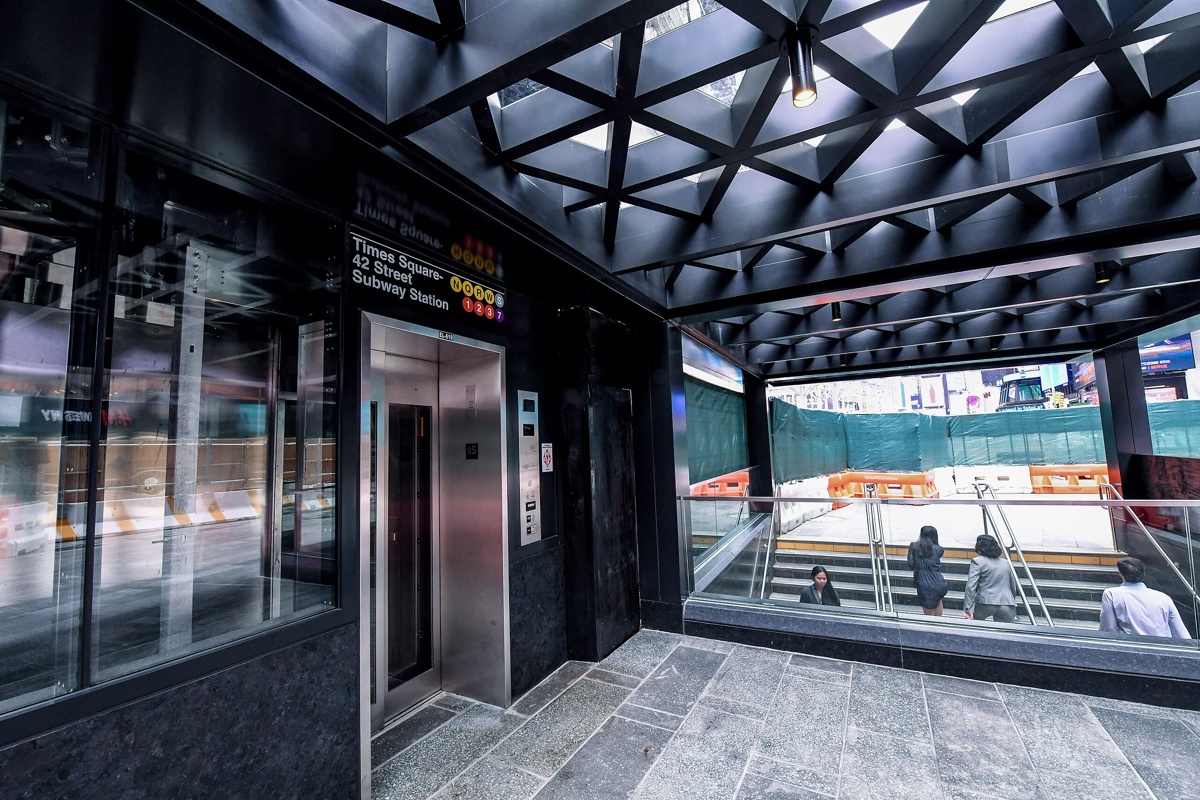
About 10% of New Yorkers have a disability with varying access needs. The environment can create barriers to meet those needs, or remove those barriers.
For example, when someone who needs electric medical equipment has access to reliable and affordable energy, or someone who uses a wheelchair or scooter has access to smooth, crack-free streets and sidewalks, and transit stations with working elevators. While there is no one-size-fits-all approach to ensuring accessibility in every context, there are so many ways to improve it: we can ensure ASL interpretation is available at doctor’s offices and safety trainings, evacuation plans for storms include guidance for people using mobility aids, and parks are close and easy to visit for physical activity.
Other examples include:
- Tactile signage
- Using plain, inclusive, accessible language for all digital and physical communications
- Clarify the process for requesting accommodations
Interactive Heat Vulnerability Index
Your heat story

Whether it’s electricity powering air conditioning in the summer, gas or oil heating in the winter, or the other forms that energy can take, people need energy to stay healthy and safe. Energy also powers life-sustaining …

Since we published this data story, some data in it have been updated. Get updated data on: Transportation-related injuries Active design Neighborhood poverty Health is determined by many factors. People tend to be healthier …

Since we published this data story, some data in it have been updated. Get updated data on: Economic conditions Imagine your child has asthma. One summer night, a powerful storm rolls in and knocks the power out. Your child …